Environmental geoscientist · Educator · Entrepreneur

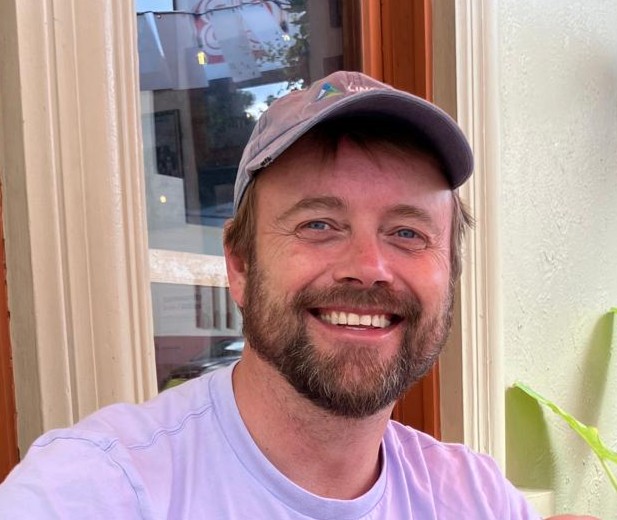
Adam Hartland

I am an environmental geoscientist, educator and entrepreneur based in Aotearoa New Zealand. My work runs from the chemistry of cave minerals, which hold a record of past rainfall, to the carbon and acidity changes now reshaping the country's largest river.

Adam Hartland
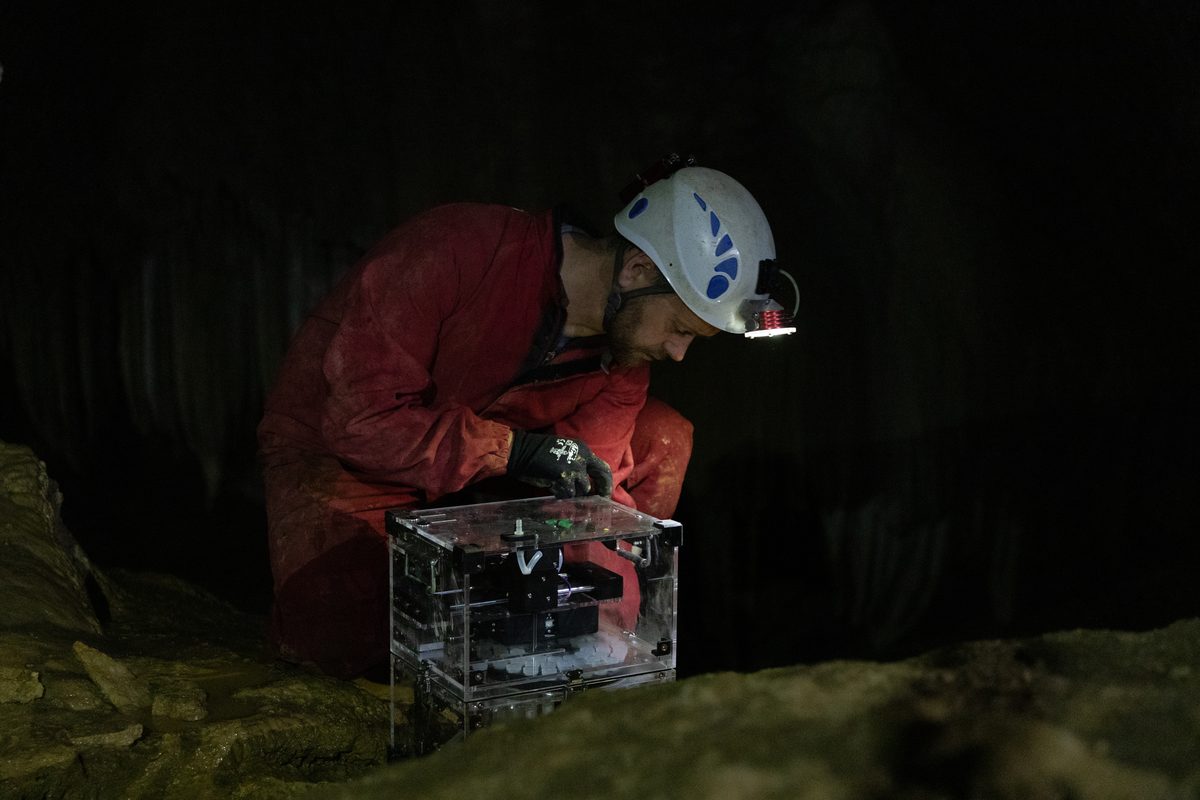
Adam Hartland underground Sampling a stalagmite underground Cinthya Nava Fernandez collecting dripwater Polished section of stalagmite GT1, Guillotine Cave Sebastian Hoepker in a cave SYP autosampler deployed in Waipuna Cave Stalactites in Waitomo Photogrammetric survey in Te Reinga Cave Fieldwork in China, Yangtze river Ingrid Lindeman with the GeoMIC glovebox The group at the DGT 2017 conference Bedartha Goswami presenting time series analysis Soil sampling fieldwork Adam Hartland underground Sampling a stalagmite underground Cinthya Nava Fernandez collecting dripwater Polished section of stalagmite GT1, Guillotine Cave Sebastian Hoepker in a cave SYP autosampler deployed in Waipuna Cave Stalactites in Waitomo Photogrammetric survey in Te Reinga Cave Fieldwork in China, Yangtze river Ingrid Lindeman with the GeoMIC glovebox The group at the DGT 2017 conference Bedartha Goswami presenting time series analysis Soil sampling fieldwork

Caves · Climate · Ecosystems · Environment

Research Identity

Aquatic and carbonate geochemistry

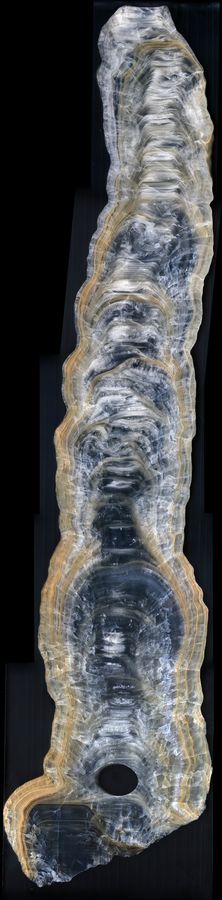
Polished section of stalagmite GT1, Guillotine Cave, South Island, New Zealand

As Principal Investigator on the MBIE Endeavour Fund programme Emerging Climatic Pressures, run with Lincoln Agritech Ltd, I lead work on the effects of climate change in freshwater ecosystems. The programme looks at how the cycling of carbon between land, water and atmosphere changes the acidity and biogeochemistry of water. As atmospheric carbon and temperatures rise, freshwater systems are trending more acidic (higher carbon dioxide) and are losing their breath (lower oxygen). What this means for future water quality and water security is being investigated by an interdisciplinary team using real-time sensing, experimentation, numerical modelling, and kaupapa Māori (indigenous sociological) research.

My scientific roots trace to subterranean caves and aquifers. I began by using geochemical methods to understand the structure and function of sub-surface food webs (stygofauna), then progressed to reading the geological record of climate change encoded in cave carbonate deposits (speleothems) with greater fidelity. That work produced kinetic proxies based on the decay of organic metal complexes, which return past infiltration in volumetric units rather than as a relative index, and which have revealed megadroughts that conventional isotope records miss.

Alongside the New Zealand caves, I have worked on raised coral atolls in the South Pacific, where the rainfall is governed by El Niño Southern Oscillation and the islands sit in the cyclone belt. Tropical island karst continues to be a focus of my work, with records in development spanning the Holocene, through last glacial period and beyond.

More recently I have taken a leading collaborative role in characterising the impact of massive carbonate biomineralisation by invasive gold clams on the Waikato River, a critical waterway in Aotearoa New Zealand. This is an Emerging Climatic Pressures collaboration with Earth Sciences New Zealand.

At a high level, my programme of research sits within aquatic and carbonate geochemistry, and addresses the processes intermediated by organic and mineral nanoparticles as well as other types of reactive surface, including soils, pyrolysed organic matter and mineral surface complexes. Examples include the modification of nutrient availability to phytoplankton as carbon dioxide changes (MBIE, Emerging Climatic Pressures), the retention of nitrate by pyrolysed organic matter (biochar) in edge-of-field denitrifying bioreactors (MBIE), and the transfer of a signal between a cave drip and the crystal it forms (Rutherford Discovery, Marsden).

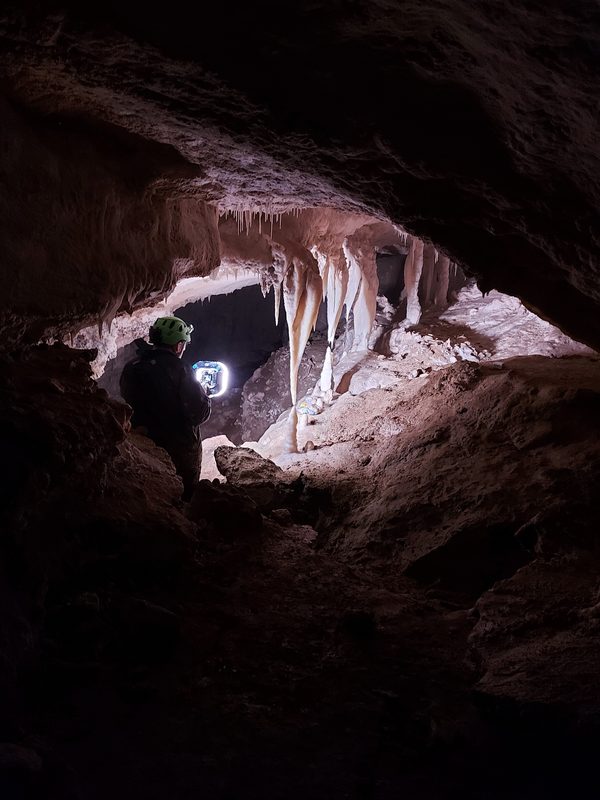
Postdoc Jeff Lang conducting a photogrammetric survey inside Te Reinga Cave
Jeff Lang (postdoc) conducting a photogrammetric survey with the goal of building a 3D cave model to provide structural, hydrologic and speleogenic insights.

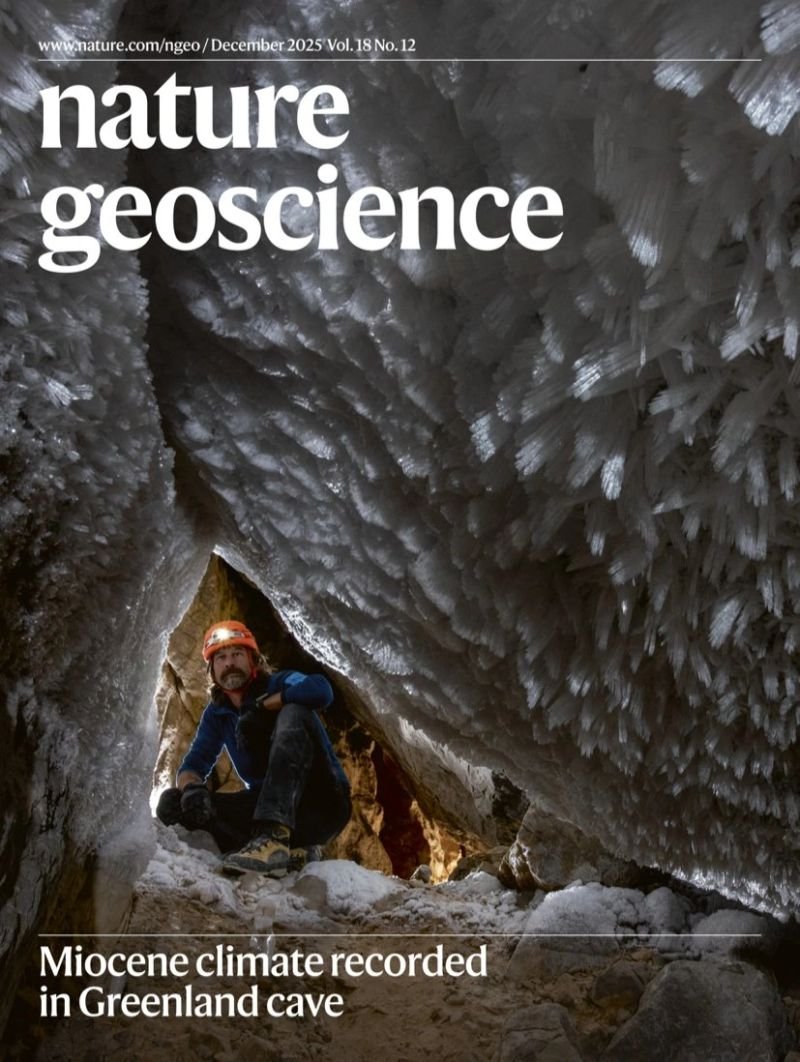
Recent work includes a reconstruction of Miocene Arctic climate from Greenland speleothems, published in Nature Geoscience, and a Nature Communications study showing that warming drives dissolved organic carbon out of pristine alpine soils.

$14.5M+
Research funding as PI
63+
Peer-reviewed publications
2,065
Citations
28
h-index
45
i10-index
10+
PhD students supervised

Since 2021: 1,329 citations · h-index 20 · i10-index 39
Google Scholar, updated August 2026

Research, education and innovation
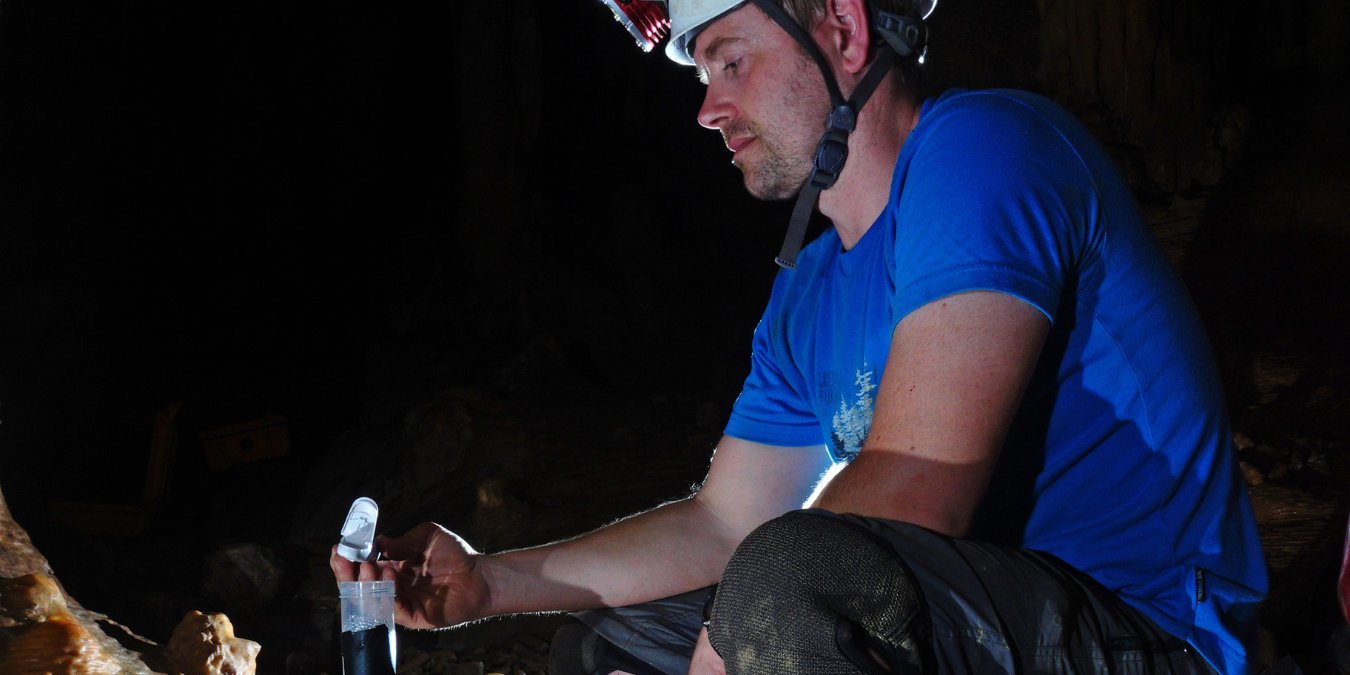
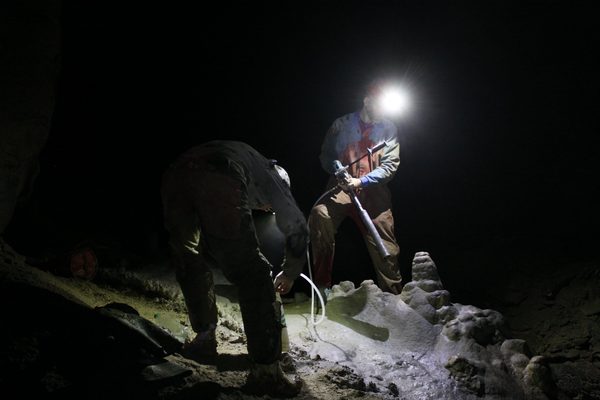
Adam collecting drip water samples in a cave
Measuring dripwater chemistry to constrain palaeoclimatic proxies.
Adam Hartland
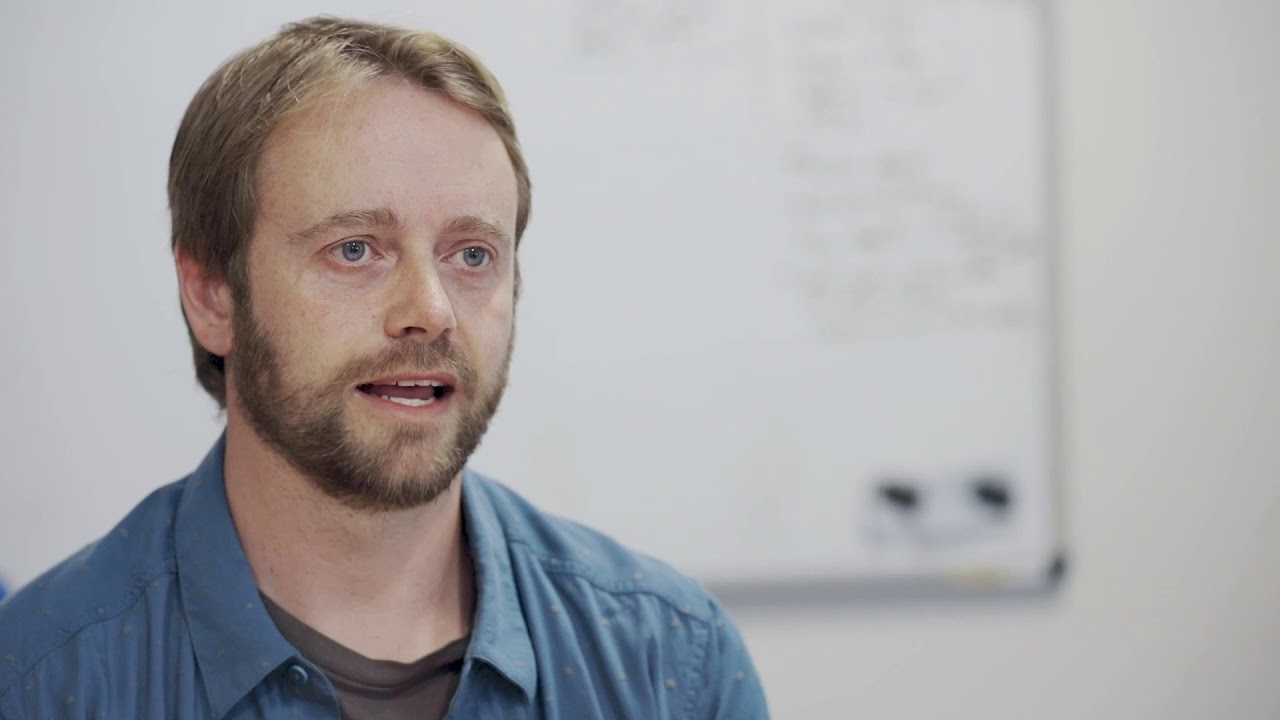
Explaining my group's research to KuDos (youtube.com ↗).
SYP autosampler deployed inside a cave
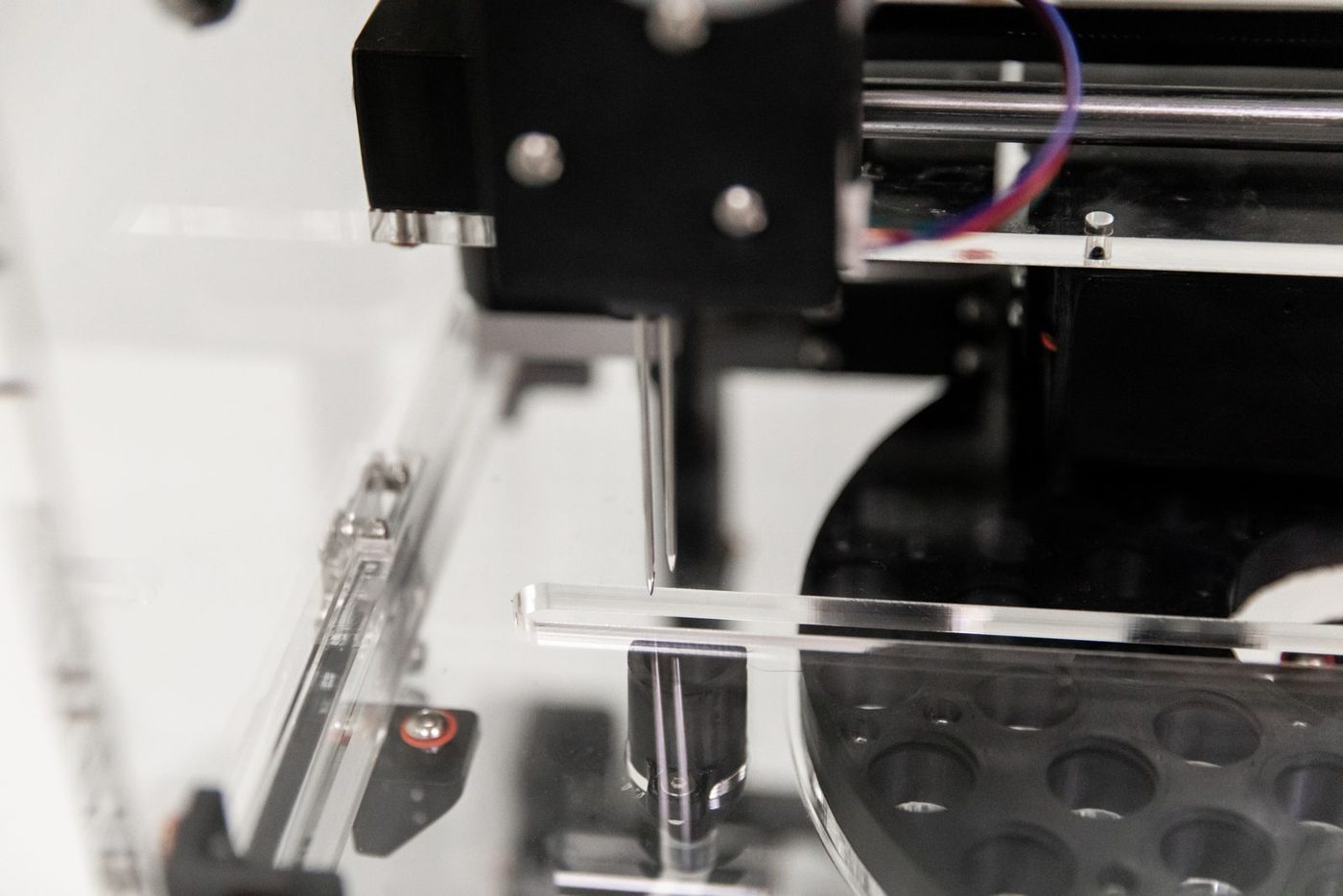
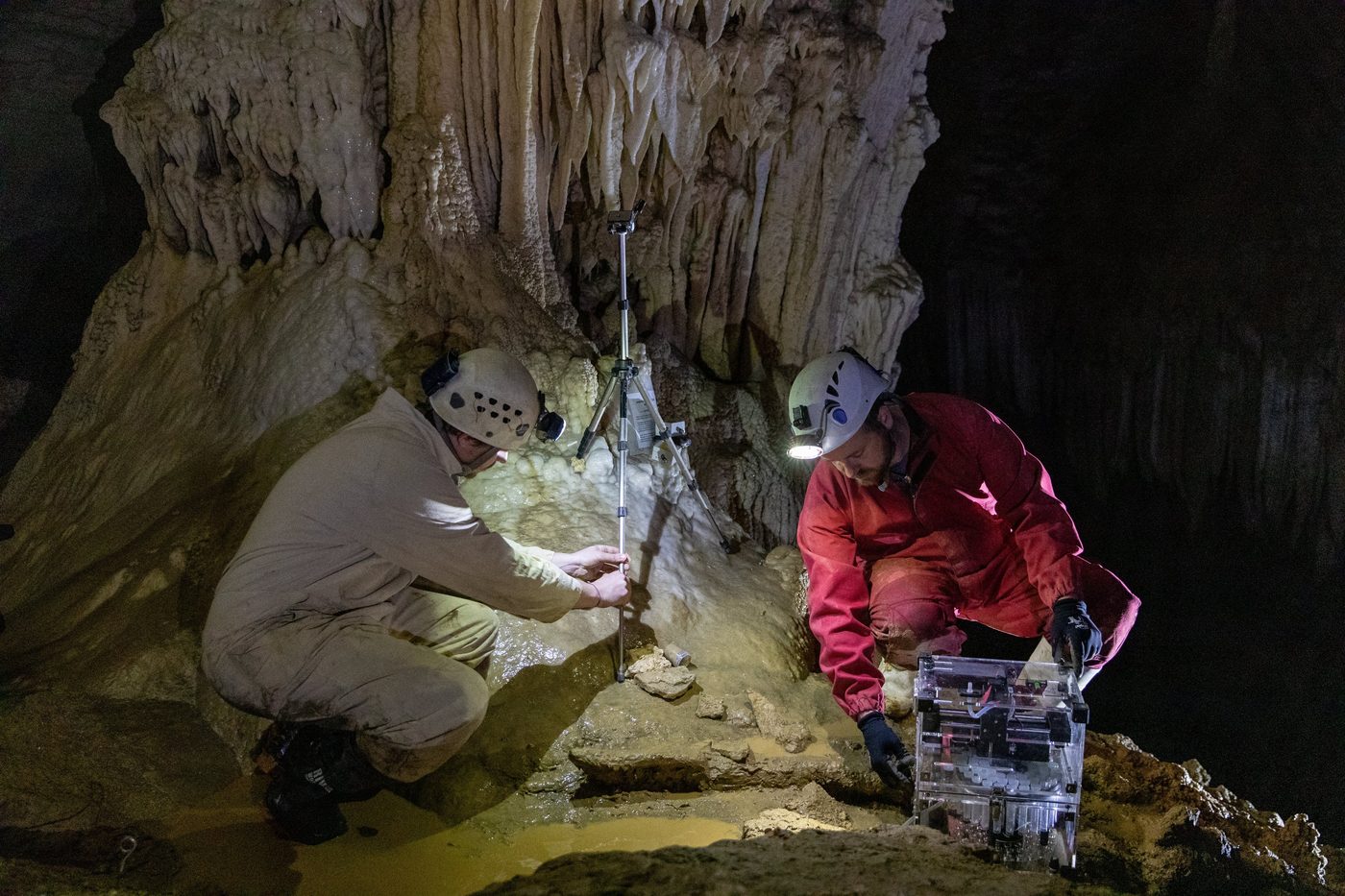
Deploying the SYP autosampler in Waipuna cave, now commercialised via waikatoscientific.com.

Current Programmes

Active research

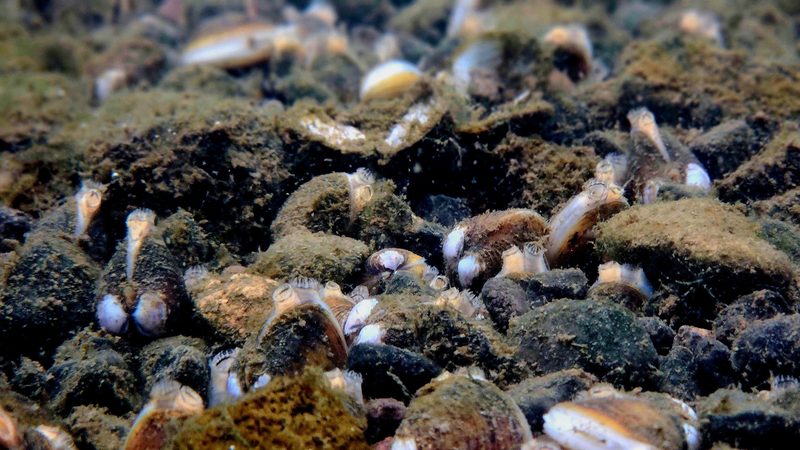
Gold clams (Corbicula fluminea) dominating the river bed at Lake Karāpiro, densities exceeding 1,000 per square metre
MBIE Endeavour Fund · $11.4M · 2023–2028

Emerging Climatic Pressures on the Waikato River

Establishing the baseline chemistry that governs how rising carbon dioxide affects fresh water, using the Waikato River as a test case. Geothermal carbon dioxide accounts for about 71% of the river's carbon budget, and invasive gold clams strip roughly 14 tonnes of calcium carbonate a day while mobilising arsenic. The models the programme is building are intended to transfer to other freshwater systems. Partners: Uppsala University, Helmholtz UFZ, Universities of Waikato, Otago, Auckland, Victoria and Lincoln, iwi, Waikato River Authority, Waikato Regional Council and Hamilton City Council, water utilities (IAWAI Flowing Waters, WaterCare Ltd).

Image: Michele Melchior, CC BY-ND

Nature Communications · In review

Decoupled infiltration and isotope signals reveal hidden monsoon megadroughts

First use of the kinetic proxy in a high-resolution Chinese speleothem, showing megadroughts that δ¹⁸O and prior calcite precipitation proxies do not record. Uncertainty is propagated across nine sources, giving past infiltration in volumetric units.

Earth Science Reviews · In preparation

Nanoscale Biogeochemical Intermediaries

A review of nanoparticles and organic matter as intermediaries at the boundary between dissolved and particulate phases, where they carry trace elements, compete for them, and set the rate at which they are exchanged.

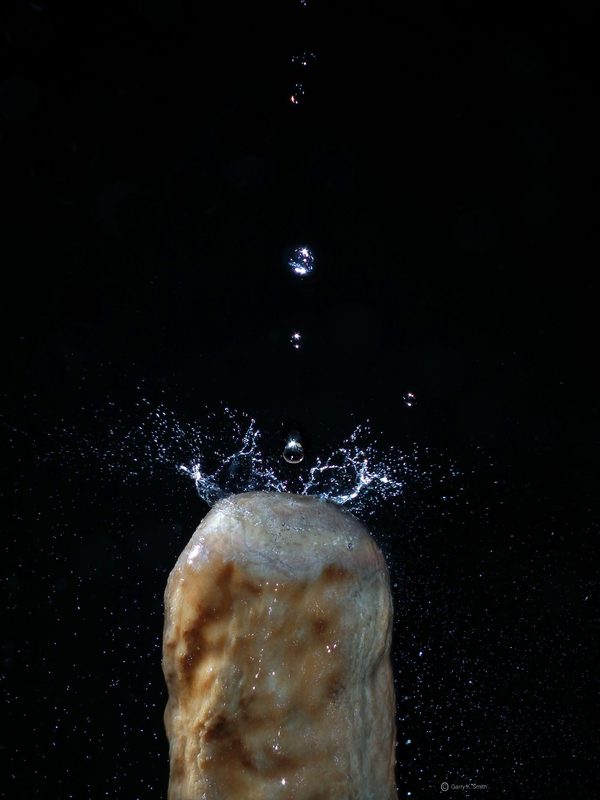
Cave drip splash on a stalagmite, photographed by Garry K. Smith
Open-source tool · GitHub

Dr Paleo / PaleoDripRates

A web application that reconstructs speleothem drip rates from trace element chemistry, using Bayesian inversion through partition coefficients. It includes a depth-only mode and propagates uncertainty through the calculation. github.com/waikatosci/paleodriprates

Image © Garry K. Smith


Career

Appointments and training

My interest in what happens below the surface began with an undergraduate project on groundwater food webs under the Canterbury Plains. Since then the work has taken me through caves across global cave and karst systems, and alluvial aquifers in Australia, and the rivers and lakes of Aotearoa New Zealand. After a decade as an academic at the University of Waikato, I joined Lincoln Agritech Ltd: a R&D company owned by Lincoln University (NZ), where I lead the Emerging Climatic Pressures MBIE Endeavour programme.

2022–

Senior Scientist, Lincoln Agritech Ltd

Science Leader, Emerging Climatic Pressures programme (LVLX2302). Adjunct Associate Professor at University of Waikato and Lincoln University. Founder and Managing Director, Waikato Scientific Ltd.

2016–2022

Rutherford Discovery Fellow, University of Waikato

Five-year research fellowship (Royal Society of New Zealand, $800K). Promoted to Associate Professor in 2020. Founded the Waikato Environmental Geochemistry group.

2012–2022

Lecturer → Senior Lecturer → Associate Professor, University of Waikato

Ten years establishing and running a research group. EU MSCA RISE PI (QUEST programme, linking Cambridge, JGU Mainz, PIK Potsdam). Marsden Fund panel member (Earth Sciences & Astronomy, 2022–2024).

2011–2012

Postdoctoral Fellow, University of New South Wales

National Centre for Groundwater Research and Training. Iron nanoparticle–arsenic interactions during surface water-groundwater exchange.

2011

PhD Geochemistry, University of Birmingham

NERC Doctoral Scholarship. Colloidal geochemistry of speleothem-forming groundwaters. Supervisor: Prof. Ian Fairchild.

2007

BSc (Hons, 1st Class) Environmental Science, Birmingham

Most Distinguished Student award.


Published in

Nature Communications
Environmental Science & Technology
ES&T
Nature Geoscience
Nature Geoscience
Selected Publications
Palaeoclimate · Arctic climate Nature Geoscience 2025

Late Miocene Arctic warmth and terrestrial climate recorded by North Greenland speleothems

Moseley GE, Koltai G, Baker JL, … Hartland A et al. (2025) Nature Geoscience 18: 1252–1258.

A reconstruction of Arctic climate in the late Miocene from speleothems in North Greenland, recording warm intervals and terrestrial climate variability in mineral archives preserved for millions of years.

Key papers across the programme

Full list: Google Scholar · ORCID 0000-0002-1864-5144

Palaeoclimate · Kinetic proxy In review

Decoupled infiltration and isotope signals reveal hidden monsoon megadroughts

First use of the kinetic proxy in a high-resolution Chinese speleothem, showing megadroughts that δ¹⁸O and prior calcite precipitation proxies do not record. Past infiltration is reported in volumetric units, with uncertainty propagated across nine sources.

Soil carbon · Climate change

Pearson AR, Fox BRS, Hellstrom JC, ... Hartland A (2024) Warming drives dissolved organic carbon export from pristine alpine soils. Nature Communications 15: 3488.

Palaeoclimate · Indian monsoon

Giesche A, Hodell DA, Petrie CA, ... Hartland A, ... Breitenbach SFM (2023) Recurring summer and winter droughts from 4.2–3.97 ka in north India. Comms Earth & Environment 4: 138.

Aqueous chemistry · Proxy calibration

Höpker SN, Breitenbach SFM, Grainger M, Stirling CH, Hartland A (2024) Characterising the decay of organic metal complexes in speleothem-forming cave waters. Geochimica et Cosmochimica Acta 373: 98-108.

Experimental crystal growth · Proxy calibration

Lindeman I, Hansen M, Scholz D, Breitenbach SFM, Hartland A. (2022) Effects of organic matter complexation on partitioning of transition metals into calcite: cave-analogue crystal growth experiments. Geochimica et Cosmochimica Acta 317: 118-137.

Pacific climate · Drip hydrology

Nava-Fernandez C, Hartland A, Gázquez F, et al. (2020) Pacific climate reflected in Waipuna Cave drip water hydrochemistry. HESS 24: 3361–3380.

Speleothem science · Review

Blyth AJ, Hartland A, Baker A (2016) Organic proxies in speleothems: new developments, advantages and limitations. Quaternary Science Reviews 149: 1–17.

Groundwater · Nanoparticles

Hartland A, Larsen JR, Andersen MS, Baalousha M, O'Carroll D (2015) Association of arsenic and phosphorus with iron nanoparticles between streams and aquifers: implications for arsenic mobility. Environmental Science & Technology 49: 14101–14109.

Groundwater · DGT monitoring

Mohammadi A, Corbett T, French A, Lehto NJ, Hadfield J, Jarman P, Sandwell D, Shokri A, Schipper L, Hartland A (2022) Application of diffusive gradients in thin films for monitoring groundwater quality. ACS ES&T Water 2: 518–526.


Waikato Scientific founders Sebastian Höpker and Adam Hartland testing an early SYP production unit in Waipuna Cave
Instruments & Commercialisation

Waikato Scientific

SYP Sampler, Waikato Scientific Instruments

The SYP began as a problem in a cave. Sampling dripwater through a season means either living underground or leaving something behind that can do it for you, and the early prototypes went into Waipuna Cave and then to Niue, where one was dragged off by a crab and recovered in pieces, still logging. Waikato Scientific exists to turn that into equipment other people can rely on: automatic sensing and sampling technology for remote environmental deployments. The company markets, sells and supports the SYP Mark III Automatic Fluid Sampler, which collects up to 58 discrete, silicon-sealed samples over year-long deployments on a rechargeable battery and is used by researchers worldwide, including at Vanderbilt, Cornell College, Rouen and Northumbria. Open-source research software is at github.com/waikatosci.


Public Engagement

Writing & media

Royal Society Te Apārangi · 2017

Beyond palaeoclimate: new horizons for cave science

Commissioned for the Royal Society's 150th anniversary feature Past & Future. On what caves can record beyond climate: earthquakes, volcanic eruptions, soil carbon loss, and the New Zealand lineage of cave science running back to Chris Hendy. Read the article

TV · 1 News · 2017

Search for clues about how climate change will affect NZ heads deep underground

Television coverage of the cave monitoring programme and what stalagmite chemistry can say about New Zealand's rainfall future. Watch

Water NZ Webinar · July 2026

Invasive clams and the Waikato: emerging risks for source water and treatment

Findings from the Emerging Climatic Pressures programme led by Lincoln Agritech, alongside operational perspectives from Lutra and Watercare on what these changes mean for source water monitoring, treatment process design and risk planning. Watch the webinar

The Conversation · April 2026

Toxic blooms and invasive clams are forcing a rethink on the Waikato River

On the environmental pressures reshaping New Zealand's longest river: geothermal carbon dioxide, invasive gold clams, and the difficulty of responding to several of them at once. Read the article

The Conversation · December 2025

Gold clam invasion in NZ threatens drinking water for millions of people

How Corbicula fluminea strips around 14 tonnes of calcium carbonate from the Waikato River each day, disrupting water treatment chemistry and mobilising arsenic into forms that conventional treatment may not remove. Read the article

Radio · Waatea News · December 2025

Golden Clam Invasion: A Growing Threat to New Zealand's Water Security

Interview on the biosecurity implications of Corbicula fluminea for freshwater infrastructure, hydroelectric operations, and indigenous species. Listen

Radio · RNZ Our Changing World

Caves reveal past climate change

On using cave mineral archives to reconstruct New Zealand's climate history, and what stalagmite chemistry says about past rainfall variability. Listen

NZ Herald · 2020

Climate change: What ancient caves reveal about NZ's future deluges

On the use of speleothem records to understand how New Zealand's rainfall extremes may intensify under climate change. Read the article

Radio · RNZ Checkpoint · 2019

Waitomo Caves shut down for high carbon dioxide levels

Interview on elevated CO₂ concentrations in the Waitomo Glowworm Cave and implications for cave conservation. Listen

EU Horizon Magazine · 2019

Cave rock studies provide window into ancient civilisations

Feature on the EU-funded QUEST programme and the development of novel speleothem proxies linking cave chemistry to past climate. Read the article

EGU Imaggeo · 2019

Our QUEST for innovative tools to understand changing environments and climates

Photo essay on the QUEST research network's fieldwork across New Zealand cave systems. Read the article

Stuff · 2017

Waikato University scientist's cave study aims to measure climate change

On the Rutherford Discovery Fellowship programme to develop quantitative speleothem proxies of past rainfall in New Zealand. Read the article


Contact

Get in touch

I am based at the Ruakura Research Estate in Hamilton, New Zealand. For research enquiries, collaboration proposals or postgraduate supervision:

adam.hartland@lincolnagritech.co.nz
Lincoln Agritech profile
Google Scholar · ORCID · GitHub